GUIDES / EVIDENCE · 7 MIN READ
Understanding a Japanese auction sheet
Every car sold at a Japanese auction carries a condition sheet written by the auction house’s own inspector. Learn to read one and a used import stops being a gamble — it becomes a documented decision.
UPDATED AUGUST 2026 · EXAMPLE CONTENT FOR PROTOTYPE
What it is — and who writes it
The sheet is filled in by an inspector employed by the auction house, not by the seller and not by the buyer. It records the car’s identity, mileage, equipment, an overall grade, an interior grade, and a body map marking every scratch, dent and repair the inspector found. It’s the closest thing the used-car world has to a neutral referee’s report — though standards do vary between auction houses.
The overall grade
Interior gets its own letter: A is excellent, B is normal family use, C means visible wear or marks worth asking about.
The body map codes
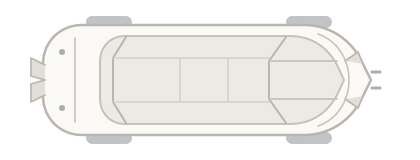
The little letters and numbers on the car diagram are the inspector’s shorthand. The number is the size: 1 small, 2 medium, 3 large.
Scratch, small to large
Dent, small to large
Repair or paintwork, graded by quality
Replaced panel — always worth discussing
What UJC does with it
We show you the original sheet in full — never a crop — translate every mark, and cross-check the recorded mileage against export records. Then we add our own view: what’s cosmetic, what needs discussing, and what would make us walk away. The sheet is the auction house’s document; the explanation and the judgement are ours.
Three things always worth asking
See a translated sheet on a real listing.
Every UJC car shows its original sheet with the plain-English version beside it.